

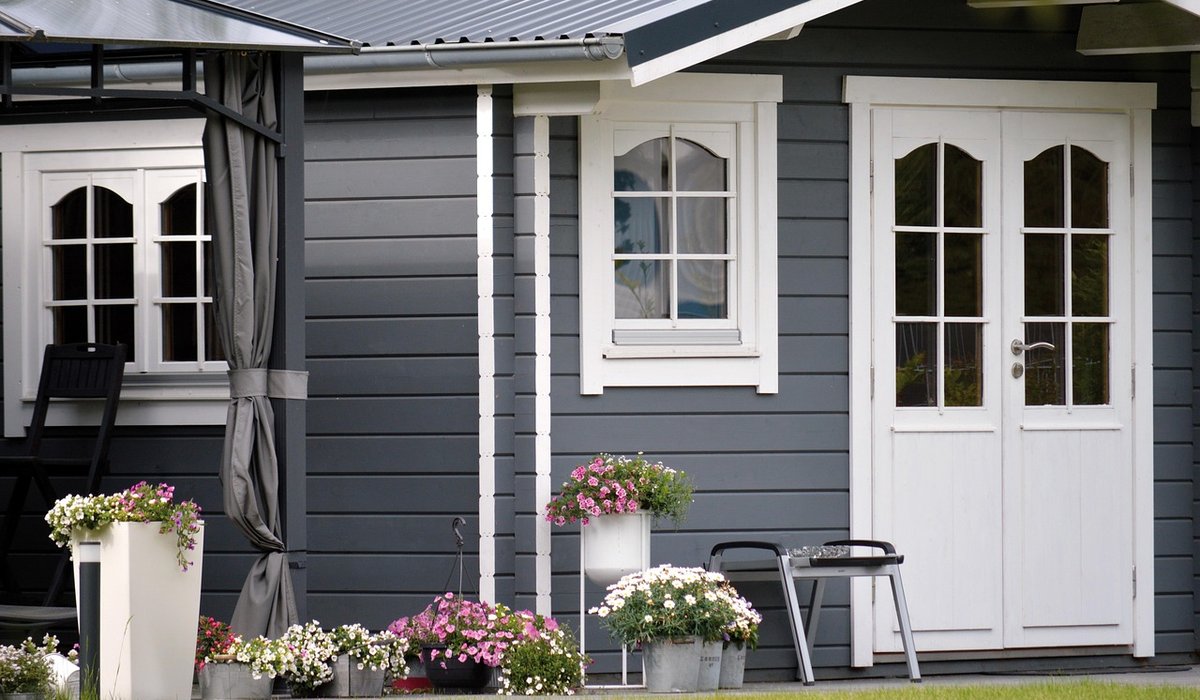
Weatherproof Bike Storage for Small Front Gardens and Courtyards
Why the front garden is often the only place left
If you live in a terrace or a flat above a shop, the back garden may not exist at all, and a courtyard or a strip of paving in front of the house is the only available space. That leaves two problems to solve at once: keeping a bike dry, and stopping it from disappearing. A wet bike is a corroded bike — chains, brake cables, bottom brackets and wheel bearings all suffer quietly, and a machine left under a leaking tarpaulin will be fit for scrap long before it wears out.
The good news is that a purpose-made bike store can squeeze into a footprint barely wider than the bike itself, and it will usually look tidier and attract less attention than a bike covered in an old sheet. The trick is getting the specification right before you buy, because most of the regrets people have with these units come down to a handful of details that are easy to overlook.
Measure properly before you shop
Internal dimensions matter far more than the size on the sales page. A single adult bike needs roughly 1.8m by 0.7m inside, and if you own two, allow about 2.2m by 1m. Handlebars are usually the widest point at 60–70cm, and they stick out at an awkward angle, so a store that "fits one bike" can quickly become a wrestling match.
Take three measurements before you commit:
- The available width, wall to wall, with the fence post or drainpipe included.
- The depth from the house wall to the boundary, allowing at least 40–50cm of clear space in front of the door for you to open it and wheel the bike in.
- Headroom, especially under a window sill, downpipe or low boundary wall.
Also think about where the roof water goes. If the store sits against the house, a small gutter or a slight overhang keeps run-off off the doors and stops that dark stain that appears along the top edge after a season.
Ventilation is the difference between dry and rusted
Most people ask about waterproofing; the real enemy is condensation. On a cold morning, warm damp air trapped inside a sealed metal box hits the cold panels, condenses and drips onto the frame. A store with no airflow will rust a bike as surely as one with a hole in the roof.
Look for units with vents low down at each end and near the top, so air moves across rather than just sitting there. A floor that lifts the bike clear of standing water is worth paying extra for, and a slightly raised base — a couple of paving slabs on a bed of sand, or a timber frame on concrete — keeps the underside dry. If the store arrives with only one small vent, a second one can often be added without compromising security, provided it is covered with fine mesh.
Roof design matters too. Single-skin plastic and thin steel both suffer badly from condensation; powder-coated galvanised steel with a double skin, or timber with a breather membrane, tends to perform better. Whatever you choose, empty the store and let it air on a dry day once or twice a year.
Security: locks, anchors and the two-lock rule
A store is a delay, not a fortress. Thieves defeat light units with a jemmy in seconds, so the aim is to make yours the least attractive option on the street.
- Lock the bike to something solid, not just to the shed. A floor or wall anchor rated to the same standard as your lock turns a smash-and-grab into a serious effort.
- Use two locks. A heavy-duty D-lock through the frame and rear wheel, plus a secondary cable or chain through the front wheel, means a thief needs two different tools.
- Lock the frame, never the wheel alone. Quick-release wheels are gone in five seconds.
- Check what your insurer expects. Many policies require a lock of a certain security rating and a store that is anchored down, so keep the receipt and note the model.
- Mark and register the bike. A visible postcode stamp or security marking is a genuine deterrent.
Fix the store itself to the ground or to the wall using the bolt holes provided. Concealed or welded hinges, a locking bar across the door, and a hasp with a closed shackle padlock all help. If the store sits in full view of the pavement, that is usually an advantage — bikes are stolen from hidden corners far more often than from overlooked front gardens.
Access, everyday use and keeping it pleasant
A store you dread opening will end up with the bike left outside it. A lift-up lid is fine for a single bike in a tight courtyard, but a full-height door with a clear swing is easier if you have two or three machines. Check you can walk the bike in without lifting it, and that pedals and bar ends do not scrape the door frame.
Inside, a simple wheel rack or a pair of ground-level brackets holds the bike upright and doubles the usable floor space for helmets, locks and a pump. A hook for a waterproof cover, a small plastic tray for oily rags, and a battery light on the inside wall make winter servicing far less miserable. Keep a small brush inside and sweep out grit before it turns into a grinding paste on the drivetrain.
Finally, check the rules before you build. In many parts of the UK, outbuildings in front of the main elevation do not fall under permitted development, and conservation areas and listed buildings bring extra controls. A quick call to the local planning authority, or a look at their online guidance on front garden structures, saves an awkward conversation later. Get the size, airflow and anchoring right and a modest store will outlast several bikes — and keep them dry enough to ride all winter.


Sheds
-
Plot agreements often limit shed size, materials and position. Speak to your site secretary early to avoid costly changes later.


Summerhouses



-

Long established fact that a reader will be distracted
-

Long established fact that a reader will be distracted
-

Long established fact that a reader will be distracted




Garden Rooms
Karla Gleichauf
12 May 2017 at 05:28 pm
On the other hand, we denounce with righteous indignation and dislike men who are so beguiled and demoralized by the charms of pleasure of the moment
M Shyamalan
12 May 2017 at 05:28 pm
On the other hand, we denounce with righteous indignation and dislike men who are so beguiled and demoralized by the charms of pleasure of the moment
Liz Montano
12 May 2017 at 05:28 pm
On the other hand, we denounce with righteous indignation and dislike men who are so beguiled and demoralized by the charms of pleasure of the moment