

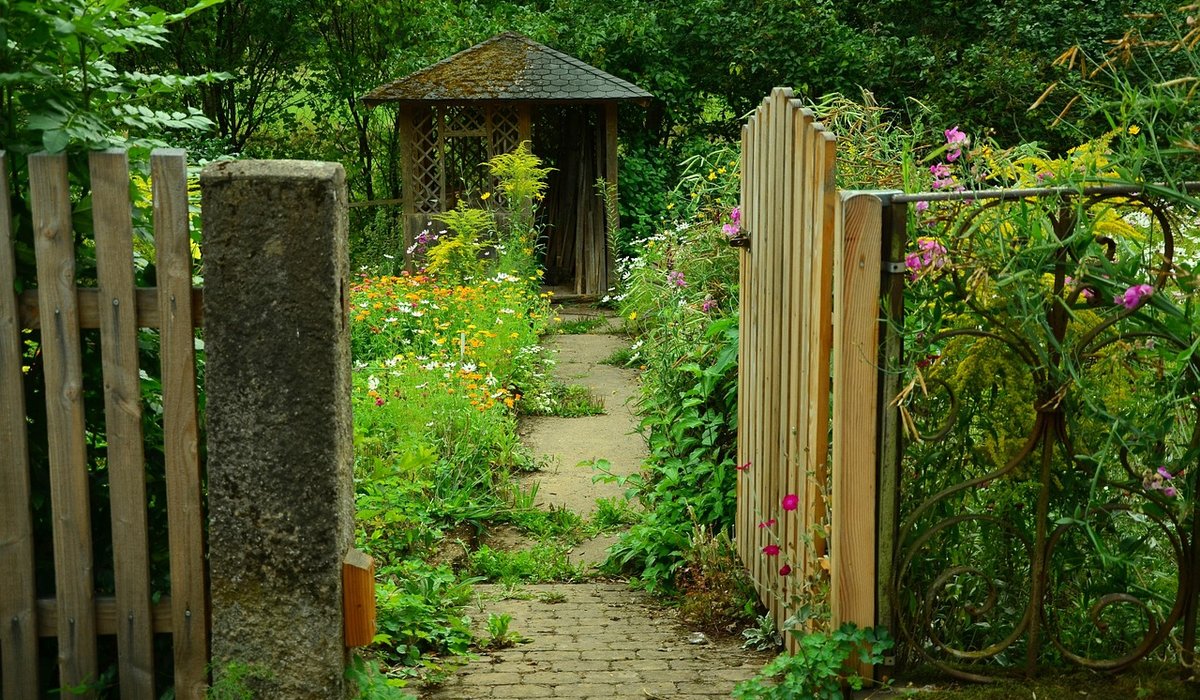
Building a Simple Pergola for Climbing Plants and Shade
A pergola is one of the most useful structures you can add to a British garden. It defines a space, casts dappled shade and, once planted up with a climber, softens the transition between house and garden beautifully. Best of all, it lets light through in a way a solid roof never could, which matters enormously when your garden is north-facing or overlooked.
Unlike a shed or a summerhouse, a pergola is fundamentally simple: posts, beams, rafters and some bracing. But simple is not the same as easy. Get the post spacing and beam depth wrong and you will end up with a structure that wobbles in a February gale. Get them right and it will stand for decades.
Deciding What the Pergola Is For
Before you buy a single length of timber, be clear about the job it has to do. A pergola over a patio for afternoon shade needs a different footprint to one framing a path from the back door to the lawn.
- Shade over a seating area: aim for a depth of at least 2.4m so the shadow falls on the furniture, not behind it.
- A walkway or transition: a narrower span, perhaps 1.5–2m, works well and feels more intentional.
- Support for climbers: almost any size will do, but the rafters need to be close enough that tendrils and ties have something to grab.
- Screening: a pergola alone will not screen you. Combine it with a trellis panel at one end or a dense evergreen.
Also decide whether it will be attached to the house or freestanding. A lean-to pergola saves two posts and a lot of digging, but it loads the wall, so the ledger board must be fixed into masonry properly with frame fixings or resin anchors, never into render alone.
Post Spacing and Layout
For a domestic pergola, posts are usually 100mm x 100mm sawn timber, or 150mm x 150mm if the structure is large or exposed. Spacing of 1.8m to 2.4m between posts is the sweet spot. Closer than that and the structure looks fussy; wider and your beams have to grow substantially in depth.
Set the posts in concrete, or use galvanised steel post bases bolted to a concrete pad. In windy UK gardens, particularly on exposed sites in the west and along the coast, a post base with a raised shoe is worth the extra cost because it keeps the timber end grain out of damp ground, which is where rot begins.
Depth matters too. Aim for at least 600mm of concrete around each post, or 750mm in clay or sandy soil. If you are digging near a boundary, check where the services run before you start.
Beam Depth and Rafter Spacing
The beams that span between your posts carry the rafters, so they need real substance. As a rule of thumb for a 2.4m span, use 150mm x 50mm timber laid on edge. For a 3m span, step up to 175mm or 200mm deep. Anything shallower will sag visibly within a couple of seasons.
Rafters can be lighter. A 100mm x 50mm rafter at 400–600mm centres gives a pleasing rhythm and plenty of anchor points for climbing plants. If you want denser shade, reduce spacing to 300mm or add a second layer running at right angles.
- Fixings: use stainless steel or hot-dip galvanised coach screws and joist hangers. Standard zinc-plated screws will stain the timber and corrode quickly.
- Bracing: add diagonal braces at every corner post to stop the frame racking sideways.
- Overhang: let rafters run 200–300mm past the beam for a softer silhouette and better rain shedding.
- Timber choice: pressure-treated softwood is the sensible budget option; cedar, oak or larch last longer and weather gracefully.
Planting for Shade and Scent
A bare pergola looks austere. A planted one looks like it has always been there. The trick is to choose climbers that suit the aspect. On a sunny south or west-facing pergola, wisteria, jasmine and grape vines will thrive, though wisteria needs disciplined pruning twice a year to stop it smothering the rafters.
For shadier spots, look at climbing hydrangea, which is slow to establish but utterly reliable, or trachelospermum for evergreen coverage and a long season of scent. Clematis comes in dozens of varieties, so you can pick one that flowers exactly when you want colour. Always plant at least 300mm away from the post and angle the young stem towards it; direct planting against treated timber can scorch young growth.
Train stems along wires fixed to the rafters rather than letting them wander. A few horizontal runs of stainless steel wire at 400mm intervals give the plant something to grip and make autumn tidying far easier.
Wind, Weather and Looking After It
Wind is the enemy of any open structure. A pergola acts like a sail, so the fixings and bracing matter more than the timber itself. If your garden funnels wind between buildings, consider reducing the span or adding a mid-post.
Treat cut ends of pressure-treated timber with an end-grain preservative, and re-oil or stain every two to three years. Check coach screws each spring, particularly after a hard winter, and tighten any that have worked loose. Clear leaves from the rafter joints in autumn so water does not sit and stain the wood.
Do that, and a simple timber pergola will earn its place for twenty years or more, giving you shade in July, structure in January and a frame for the garden's best climbing plants for the rest of the year.


Sheds
-
Protect bicycles from rain and theft with a secure store that fits tight spaces. Look for ventilation, locking points and easy access.


Summerhouses



-

Long established fact that a reader will be distracted
-

Long established fact that a reader will be distracted
-

Long established fact that a reader will be distracted




Garden Rooms
Karla Gleichauf
12 May 2017 at 05:28 pm
On the other hand, we denounce with righteous indignation and dislike men who are so beguiled and demoralized by the charms of pleasure of the moment
M Shyamalan
12 May 2017 at 05:28 pm
On the other hand, we denounce with righteous indignation and dislike men who are so beguiled and demoralized by the charms of pleasure of the moment
Liz Montano
12 May 2017 at 05:28 pm
On the other hand, we denounce with righteous indignation and dislike men who are so beguiled and demoralized by the charms of pleasure of the moment