

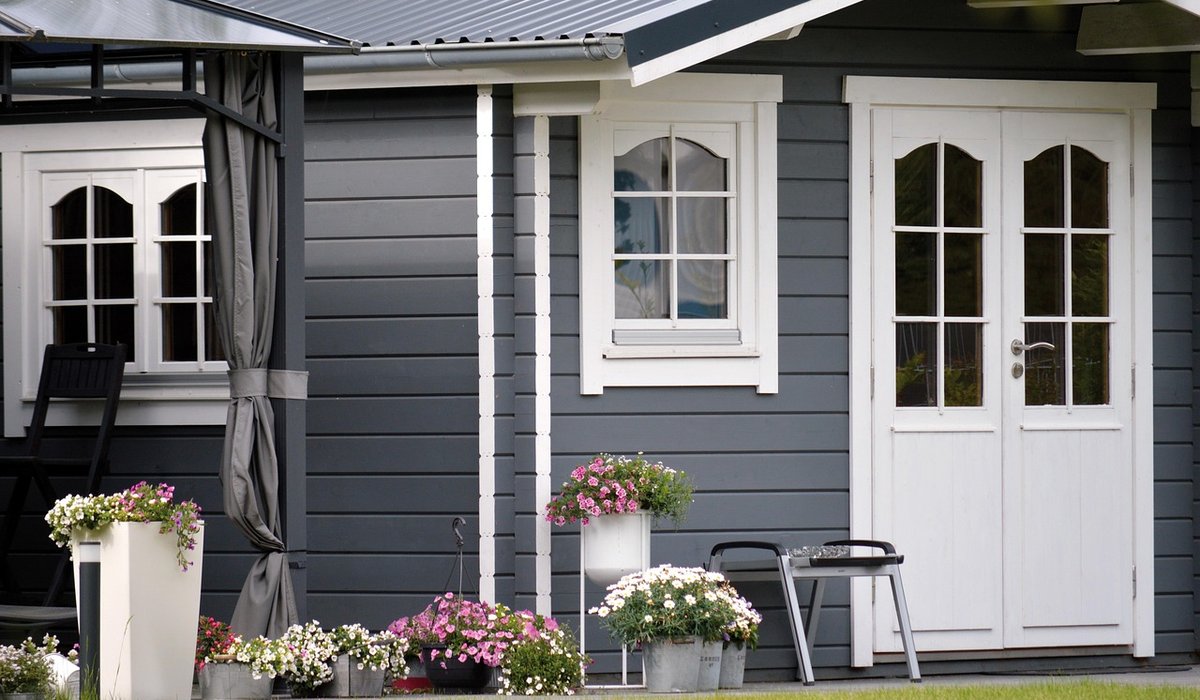
Making an Allotment Shed from Reclaimed Timber
Why Reclaimed Timber Suits an Allotment Shed
An allotment shed rarely needs to be a thing of beauty, but it should be sturdy, dry and kind to your wallet. Reclaimed timber ticks all three boxes. Old floorboards, fence panels, pallet collars, scaffold boards and skip-bound joists can all be given a second life as cladding, framing or shelving. The wood is often denser and better seasoned than modern softwood from a timber merchant, which means it holds screws well and resists warping once it has settled.
There is also the character. A shed built from mixed boards, with a bit of patina and a few visible nail holes, looks like it belongs on a working plot. It will never win a prize for uniformity, and that is precisely the point. As long as you are honest about what the timber can and cannot do, you can build something that will serve you for a decade or more.
Where to Find Good Reclaimed Boards
Before you start sketching, you need a source. Friends and neighbours are often glad to see old decking or a dismantled wardrobe go to a good home. Local allotment sites sometimes have a communal timber pile. Reclamation yards, builders' merchants clearing old stock, and online marketplaces all turn up useful lengths if you are patient.
What you are looking for is dry, straight-ish timber with no soft patches. A few rules of thumb when you are sorting through a pile:
- Avoid anything with dry rot or white mould. If the wood crumbles when you push a screwdriver into the end grain, leave it.
- Reject boards with extensive wet rot, especially around old joints or where the timber has been sat in damp.
- Watch for woodworm. Small flight holes and fine dust are a warning sign. Do not bring infested timber onto the plot.
- Check for old paint and treatments. Lead paint and some creosote-based coatings are best avoided, particularly if you plan to grow anything nearby.
- Prefer longer lengths. It is far easier to cut down than to join short boards for a wall plate or bearer.
Stack whatever you bring home under cover, with spacers between the boards, and let it dry for a few weeks before you start cutting.
Preparing and Treating the Timber
Reclaimed wood almost always needs a clean-up before it earns its place in a wall. Pull out every nail, screw and staple you can find, then run a wire brush or a quick pass with a belt sander over the worst of the grime. Anything that has been in contact with soil should be scrubbed and left to dry thoroughly.
Treatment is not optional. Even the toughest old boards will benefit from a good soak of a suitable preservative. For timber that will sit close to the ground — bearers, base rails and the bottom of cladding — use a spirit-based wood preserver designed for exterior use and brush it on generously, paying attention to end grain. Let the first coat dry, then apply a second. If you want a colour, a breathable exterior wood stain will do the job without trapping moisture, which is the fatal flaw of many modern film-forming paints.
Do not treat timber you intend to use as raised-bed edging or anything in direct contact with edible crops with creosote or similarly harsh products. Stick to products labelled as safe for the job.
Building a Durable Base First
Most shed failures come from the base, not the walls. A shed sitting directly on soil will wick up moisture and rot from the bottom up within a couple of seasons. You have two sensible options.
The simplest is a ring of concrete blocks or engineering bricks set into a shallow trench, levelled and packed with hardcore. Sit treated timber bearers on top, spaced at around 400–600mm centres, and build the floor frame onto those. The shed then sits clear of the ground with an airflow gap underneath.
The second option is a timber frame base: pressure-treated 100 x 100mm posts set on concrete pads or Metposts, with a braced frame of treated 75 x 50mm timber on top. Either way, the floor must be level to within a few millimetres across the whole footprint. A wonky base produces a wonky shed, and no amount of clever cladding will hide it.
If your allotment is on heavy clay or a slope, dig out and level the ground first rather than trying to pack up one corner. It will save you endless fiddling later.
Framing, Cladding and the Roof
Build the frame from the straightest reclaimed timber you have. Treat it as a simple box: sole plates, corner posts, a top plate and studs at 400–600mm centres. Screw or nail the frame together with galvanised fixings, which will outlast ordinary steel in a damp plot environment.
For cladding, feather-edge boards, old floorboards or scaffold boards all work well. Overlap them by at least 25mm and work from the bottom up, so water runs off rather than into the joints. Leave a small gap at the top and bottom of each wall for ventilation — an airtight shed becomes a condensation trap.
The roof can be as simple as corrugated bitumen sheet or metal over a ply or OSB deck, with a decent overhang on all sides to throw water clear of the walls. A fall of around 15 degrees is plenty for a shed. Finally, fit a door that closes properly, add a couple of small windows if you want light, and give the whole structure a final coat of preservative once it is up.
Finishing Touches and Long-Term Care
Once the shed is watertight, you can turn your attention to the inside. Reclaimed timber makes excellent shelving, a potting bench and tool racks. Line the inside of the walls with old boards if you want extra insulation and a tidier look.
Check the shed twice a year. Look at the base, the bottom rails and the roof edges — the places where water gathers. Re-treat any bare patches and clear moss or leaves from around the footings. Looked after in this way, a shed made from other people's cast-offs will quietly outlast plenty of new timber buildings on neighbouring plots.


Sheds
-
Rain and damp reduce heat output. Store logs under cover with open sides, and bring small batches indoors before burning.


Summerhouses



-

Long established fact that a reader will be distracted
-

Long established fact that a reader will be distracted
-

Long established fact that a reader will be distracted




Garden Rooms
Karla Gleichauf
12 May 2017 at 05:28 pm
On the other hand, we denounce with righteous indignation and dislike men who are so beguiled and demoralized by the charms of pleasure of the moment
M Shyamalan
12 May 2017 at 05:28 pm
On the other hand, we denounce with righteous indignation and dislike men who are so beguiled and demoralized by the charms of pleasure of the moment
Liz Montano
12 May 2017 at 05:28 pm
On the other hand, we denounce with righteous indignation and dislike men who are so beguiled and demoralized by the charms of pleasure of the moment