

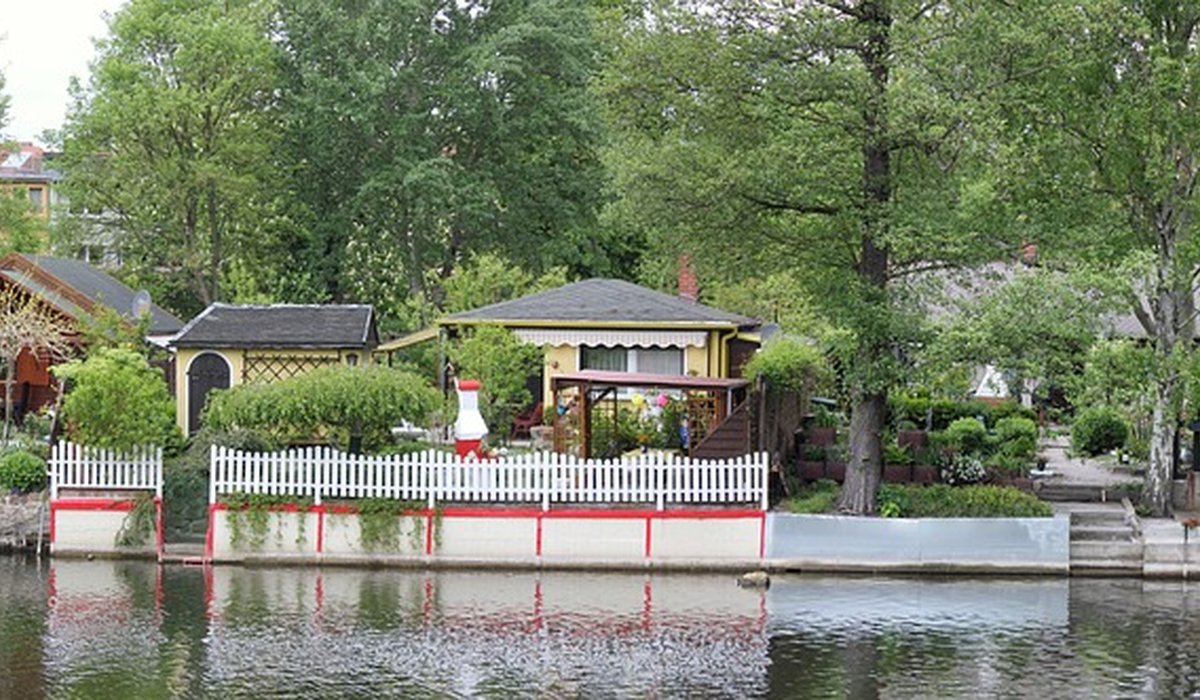
Adding a Green Roof to a Garden Shelter
Why a green roof suits a garden shelter
A green roof on a shed, bike store, summerhouse or loggia does more than look charming. It softens hard lines, helps the structure blend into planting, and adds a layer of insulation that keeps the space cooler in summer and slightly warmer in winter. It also slows rainwater runoff and creates a small habitat for insects and birds. But a green roof is not simply turf laid on felt. The soil, plants and water they hold add real weight, and your shelter must be able to carry it safely. The good news is that lightweight systems exist for UK gardens, provided you match the design to the structure.
First, check what your roof can carry
Weight is the make-or-break issue. A saturated lightweight sedum blanket with 50–70mm of substrate typically weighs 60–100kg per square metre. Deeper, more varied planting can reach 150–250kg per square metre once wet. By contrast, many off-the-shelf garden sheds are designed for perhaps 15–25kg per square metre of snow load. That difference matters enormously.
Before buying anything, look at the roof structure. Are the rafters close enough together? Is there a ridge beam or a central support? Could you add sister rafters, a mid-span beam or extra posts without spoiling the look? If you are unsure, ask a structural engineer or an experienced carpenter. Even a shallow system of 25–40mm substrate, weighing around 40–50kg per square metre saturated, may need strengthening on a standard shed. Never assume a timber frame will take it just because the roof feels solid.
Choosing a lightweight system
For most garden shelters, an extensive green roof is the right choice. It uses a shallow growing medium and low-growing, drought-tolerant plants. Intensive roofs, with deep soil and shrubs, are far heavier and rarely suitable unless the shelter was designed for them.
- Sedum mats or blankets: pre-grown rolls that establish quickly. Lightweight, but less varied in colour and wildlife value.
- Modular trays: easy to lift and replace, good for smaller roofs or where access is awkward.
- Loose substrate with plug plants: more flexible and often cheaper, but slower to knit together.
Whichever you choose, keep the substrate shallow unless the structure is proven. A mix of 70–80% mineral aggregate and 20–30% organic matter is typical. Avoid ordinary topsoil: it is heavy and encourages weeds.
Layers that make it work: drainage, filter and root barrier
A green roof is a layered system, and getting the order right prevents damp, leaks and dead plants. From the roof deck upwards, you need:
- Waterproof membrane: EPDM or GRP are common. Any joins must be fully sealed.
- Root barrier: a tough sheet that stops roots and rhizomes penetrating the membrane.
- Drainage layer: a dimpled mat or egg-cup board that lets excess water flow to the outlets.
- Filter fleece: keeps fine particles out of the drainage layer.
- Growing medium: the shallow substrate.
- Plants: sedums, saxifrages, thrift, wild strawberries, chives and small grasses.
Drainage is non-negotiable. A slope of at least 1:60, ideally 1:40, helps water reach the edge. For flatter roofs, add a drainage layer and ensure overflows are clear. Leave a gravel margin of 300–500mm around outlets and edges to stop plants blocking them.
Planting and establishment in a UK garden
Spring and early autumn are the best times to plant, while the soil is warm and rain is reliable. Water the new roof regularly for the first six to twelve weeks, especially during a dry spell. After that, most sedum-based roofs need little irrigation, though a very hot, windy week may still call for a soak.
Do not feed heavily. Rich nutrients encourage soft, floppy growth and weeds. A light feed in early spring is plenty. Remove tree seedlings and creeping buttercup as they appear. Leave seed heads and spent stems over winter for wildlife, then trim back in late February or March if the roof looks untidy. In a UK climate, sedums can look tired in winter, so add spring bulbs in pockets of deeper substrate if you want early colour.
Maintenance, safety and common mistakes
Once established, a lightweight green roof needs an annual check. Clear fallen leaves from drainage outlets, inspect the membrane at edges, and look for any sagging that might suggest waterlogging. Never walk directly on the plants: use crawl boards or planks to spread your weight. If you need to repair the roof below, you will have to remove and replace sections of the green roof, so keep spares of the mat or trays.
Common mistakes include skipping the root barrier, using topsoil instead of a free-draining mix, and underestimating the saturated weight. Another is forgetting access: if the roof is steep or high, maintaining it becomes dangerous. A green roof can be a lovely, practical addition to a garden shelter, but only when the structure, drainage and planting are designed as one system. Take the time to check the load, build the layers correctly, and it will reward you for years.


Sheds
-
A firm, level base protects your shed from damp and movement. Compare paving slabs, timber bearers and concrete options before you build.


Summerhouses



-

Long established fact that a reader will be distracted
-

Long established fact that a reader will be distracted
-

Long established fact that a reader will be distracted



Garden Rooms
Karla Gleichauf
12 May 2017 at 05:28 pm
On the other hand, we denounce with righteous indignation and dislike men who are so beguiled and demoralized by the charms of pleasure of the moment
M Shyamalan
12 May 2017 at 05:28 pm
On the other hand, we denounce with righteous indignation and dislike men who are so beguiled and demoralized by the charms of pleasure of the moment
Liz Montano
12 May 2017 at 05:28 pm
On the other hand, we denounce with righteous indignation and dislike men who are so beguiled and demoralized by the charms of pleasure of the moment